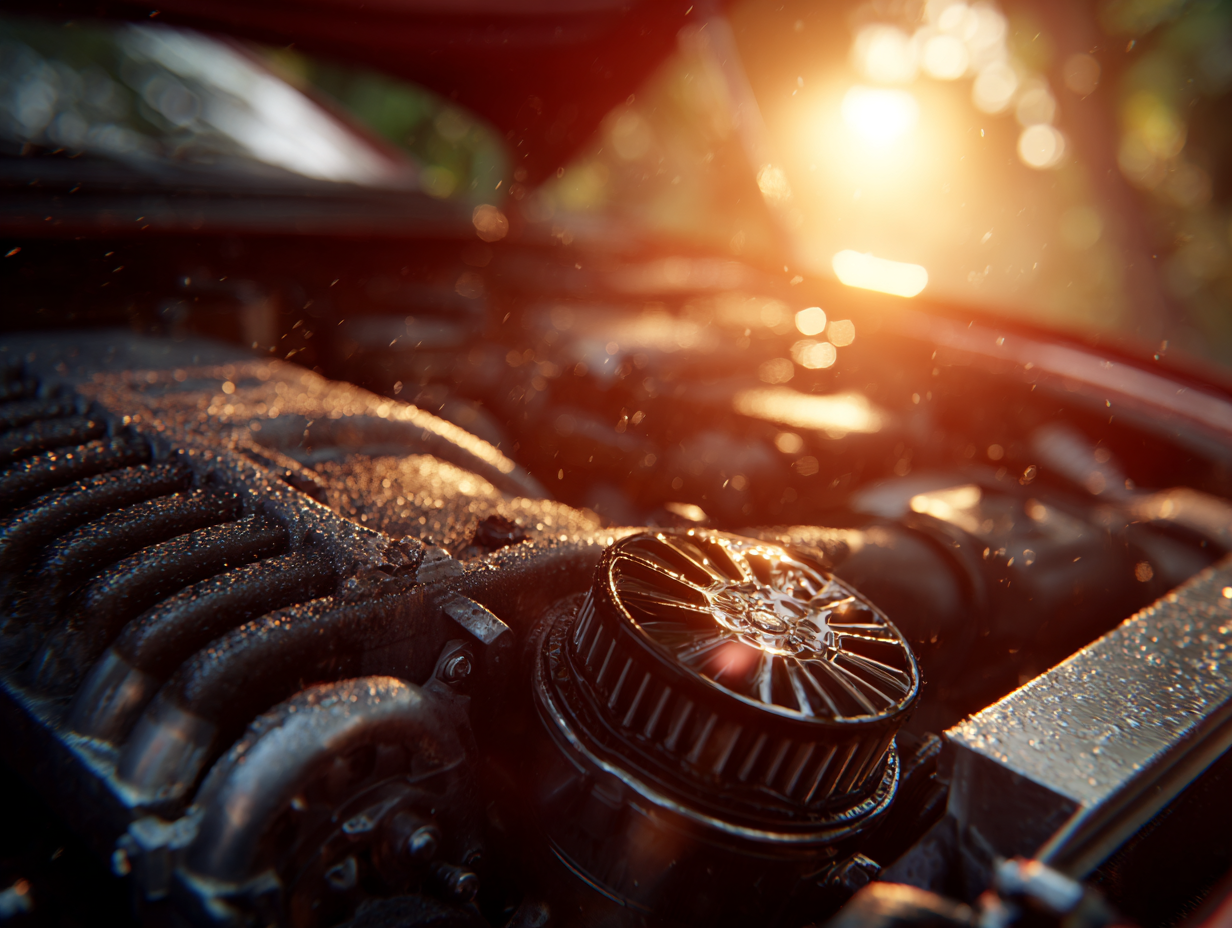
Sudden power loss is one of the most alarming experiences a driver can face. One moment, the vehicle feels perfectly responsive, and the next, it struggles to accelerate, hesitates, or even enters limp mode. In most cases, this behavior isn’t random; it’s the result of specific engine wear points that gradually deteriorate until performance is compromised.
One of the most common culprits is fuel system wear. Over time, fuel injectors accumulate carbon deposits that restrict proper spray patterns. When fuel delivery becomes uneven, combustion efficiency drops, leading to noticeable power loss, misfires, and poor throttle response. Similarly, a weakened fuel pump may fail to maintain consistent pressure under load, especially during acceleration.
Another major factor is air intake and airflow management. Components such as the mass airflow sensor (MAF) and throttle body are highly sensitive to contamination. When airflow readings become inaccurate due to dirt or oil residue, the engine control unit delivers incorrect fuel ratios, resulting in sluggish performance and hesitation.
Ignition-related wear points also play a critical role. Spark plugs degrade over time, increasing resistance and weakening spark intensity. When paired with aging ignition coils, the result is incomplete combustion, which directly translates to power loss, especially under acceleration or uphill driving.
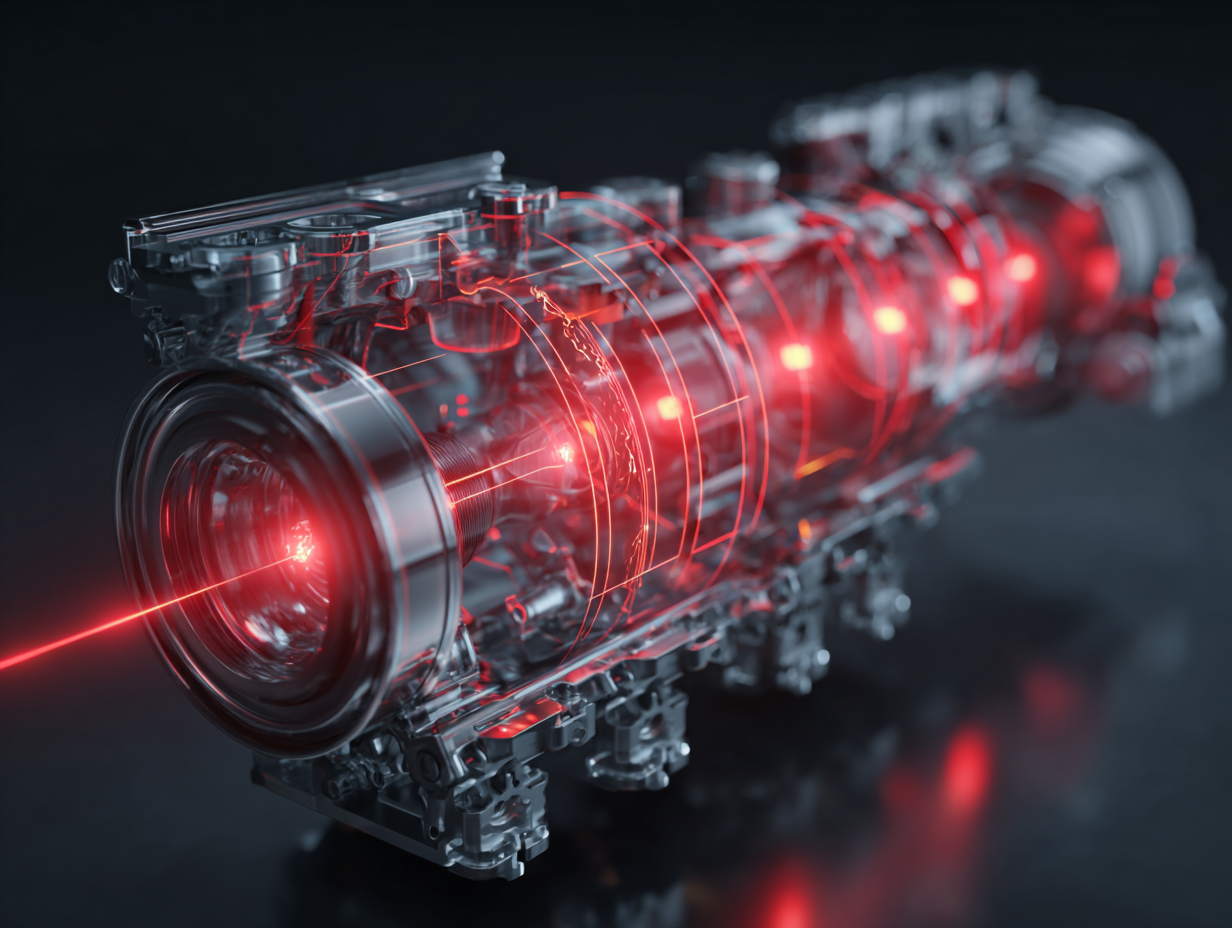
Mechanical wear within the engine itself can be even more impactful. Worn timing components, such as stretched timing chains or degraded tensioners, disrupt valve timing precision. Even minor timing inconsistencies can significantly affect engine power and fuel efficiency. In turbocharged engines, worn turbo seals or boost leaks can reduce pressure delivery, making the vehicle feel noticeably underpowered.
Lastly, exhaust system restrictions, particularly clogged catalytic converters, are a hidden but serious cause of power loss. When exhaust gases cannot flow freely, back pressure builds up, preventing the engine from breathing properly and limiting its ability to generate power.
Sudden power loss is rarely caused by a single failure; it’s usually the result of cumulative wear across multiple systems. Early diagnosis and high-quality replacement parts make the difference between a quick fix and long-term engine damage.
If your vehicle is showing signs of power loss, consulting the Lebanese Europe team ensures expert diagnostics and access to the right components before minor wear turns into a major repair.
The rich text element allows you to create and format headings, paragraphs, blockquotes, images, and video all in one place instead of having to add and format them individually. Just double-click and easily create content.
A rich text element can be used with static or dynamic content. For static content, just drop it into any page and begin editing. For dynamic content, add a rich text field to any collection and then connect a rich text element to that field in the settings panel. Voila!