Drivers often describe Mercedes brakes with one word: confidence. From the moment your foot touches the pedal, the braking experience feels different, smooth, controlled, and reassuring. This is not accidental. Mercedes brake feel is the result of decades of engineering philosophy focused on precision, safety, and driver trust rather than aggressive stopping alone.
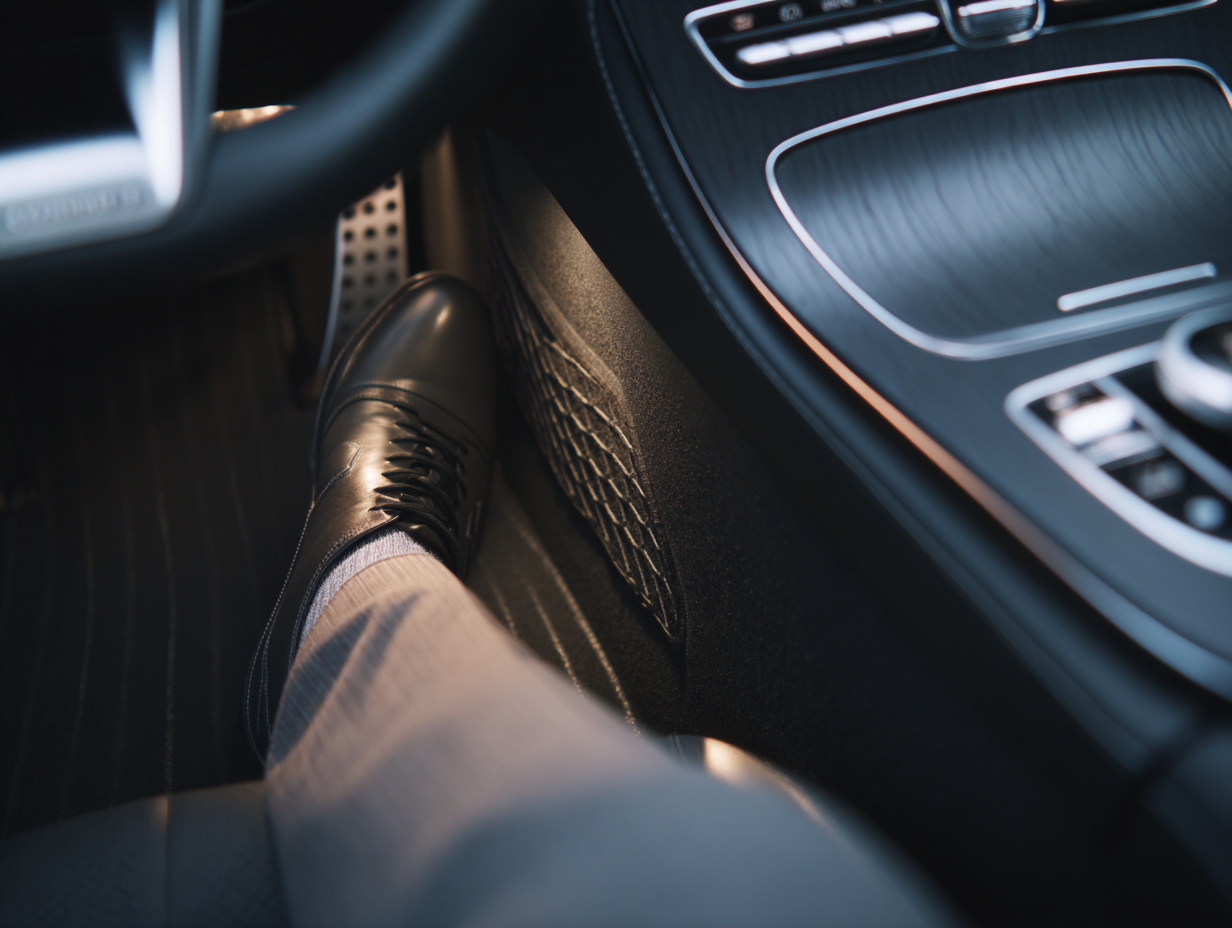
One of the key reasons Mercedes brakes feel unique is pedal tuning. Unlike brands that prioritize a sharp or aggressive initial bite, Mercedes-Benz engineers design the brake pedal to deliver progressive resistance. This means braking force builds gradually as you apply pressure, giving drivers better modulation and smoother deceleration, especially useful in city driving and traffic.
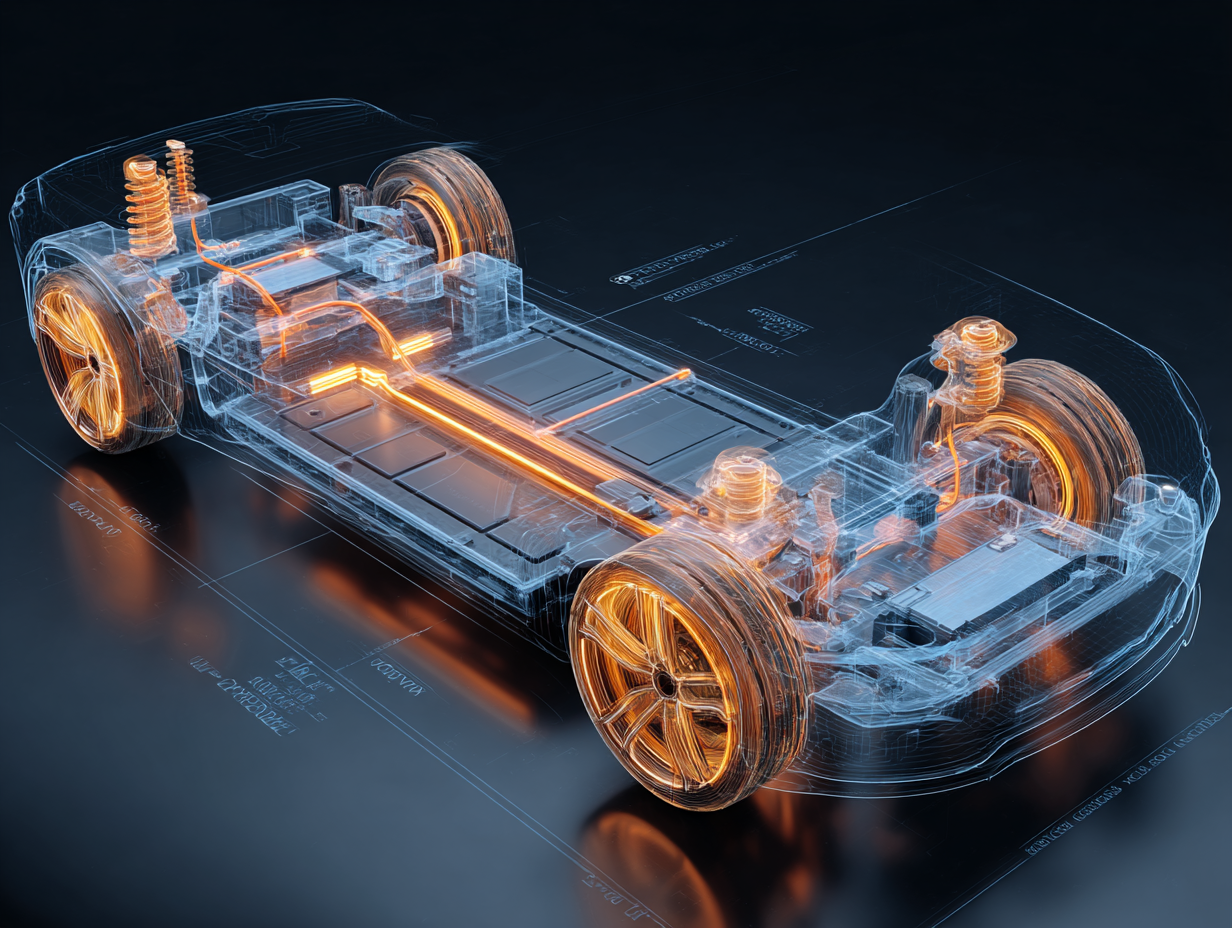
Many modern Mercedes models use advanced brake-by-wire systems, where electronic signals assist or replace traditional mechanical connections. This allows the car to interpret driver input and adjust braking force instantly based on speed, load, and road conditions. The result is consistent brake feel whether you’re braking lightly at low speed or stopping firmly on the highway.
Mercedes approaches braking as part of the overall driving experience, not just a safety function. The system is tuned to reduce abrupt stops, nose-diving, and passenger discomfort. Even during sudden braking, the car remains stable and composed. This balance is especially noticeable compared to sport-oriented brands that favor harder, more immediate braking response.
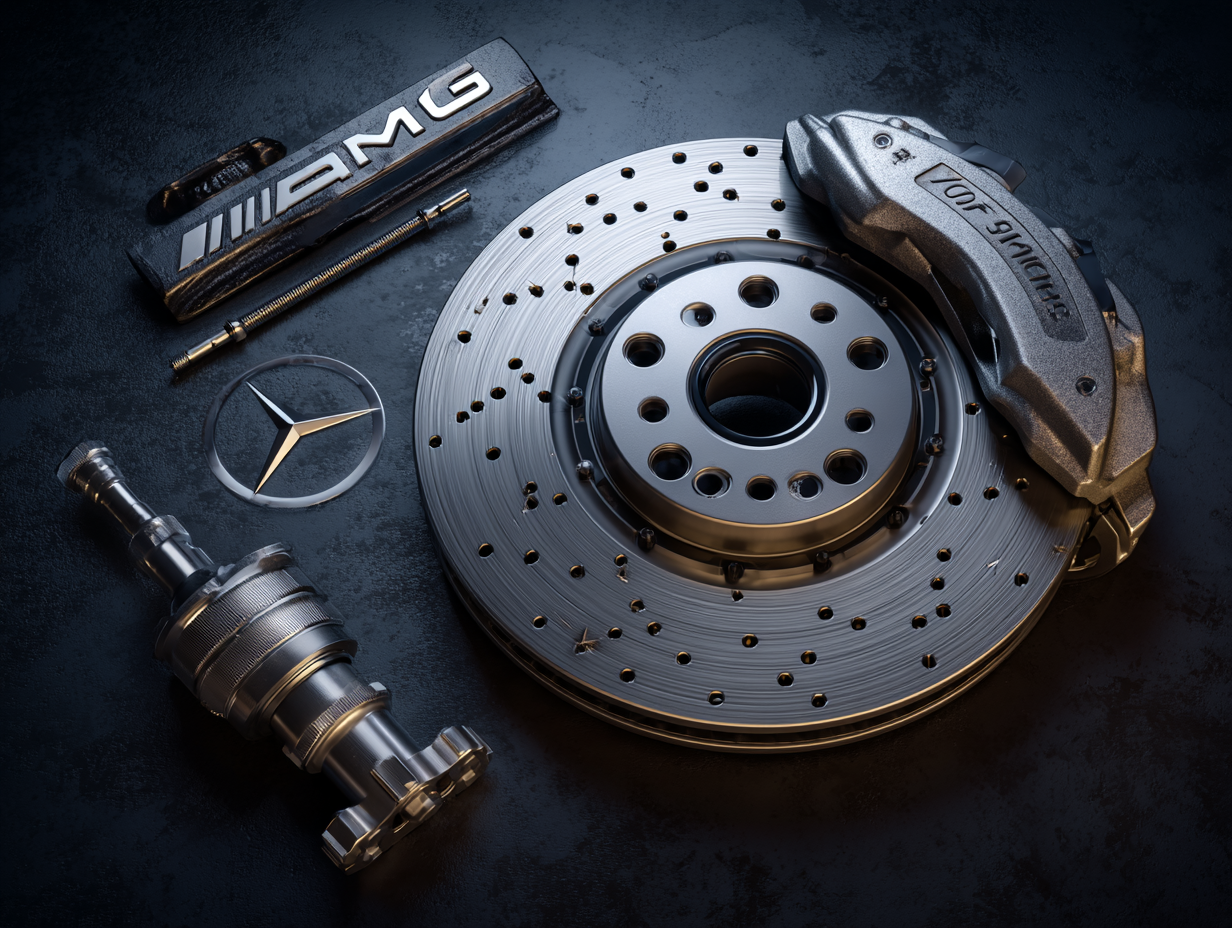
Another major factor is material choice. Mercedes brake pads and discs are engineered to work together as a system. The compounds are selected to minimize vibration, noise, and harshness while maintaining strong stopping power. This is why Mercedes brakes tend to feel quieter and smoother, especially at low speeds, compared to aftermarket or non-matched components.
Mercedes braking doesn’t work alone; it’s deeply integrated with systems like ABS, ESP, adaptive cruise control, and collision prevention assist. These systems constantly communicate, subtly adjusting brake pressure to maintain control and stability. Because these adjustments happen seamlessly, the driver experiences a refined, predictable brake response rather than sudden intervention.
Brake feel isn’t just about comfort; it directly affects driver confidence and reaction time. When brakes respond exactly as expected, drivers can better judge stopping distances and apply the right amount of pressure instinctively. This is one of the reasons Mercedes vehicles feel “easy” and reassuring to drive, even in demanding conditions.
Maintaining that signature Mercedes brake feel requires correct diagnostics, proper installation, and components that meet original specifications. Even small deviations, like incorrect pads or improper bleeding, can dramatically change pedal response. For drivers who want to preserve the authentic Mercedes driving experience, contacting the Lebanese Europe team of automotive experts ensures European-standard servicing that aligns perfectly with how Mercedes brakes are engineered to perform.
The rich text element allows you to create and format headings, paragraphs, blockquotes, images, and video all in one place instead of having to add and format them individually. Just double-click and easily create content.
A rich text element can be used with static or dynamic content. For static content, just drop it into any page and begin editing. For dynamic content, add a rich text field to any collection and then connect a rich text element to that field in the settings panel. Voila!