For decades, Mercedes-Benz has carried a reputation that goes far beyond luxury. Yes, the brand is known for elegance, comfort, and performance, but its deepest legacy lies in something far more important: safety innovation. Many of the features drivers take for granted today were introduced, perfected, or popularized by Mercedes long before they became industry standards.
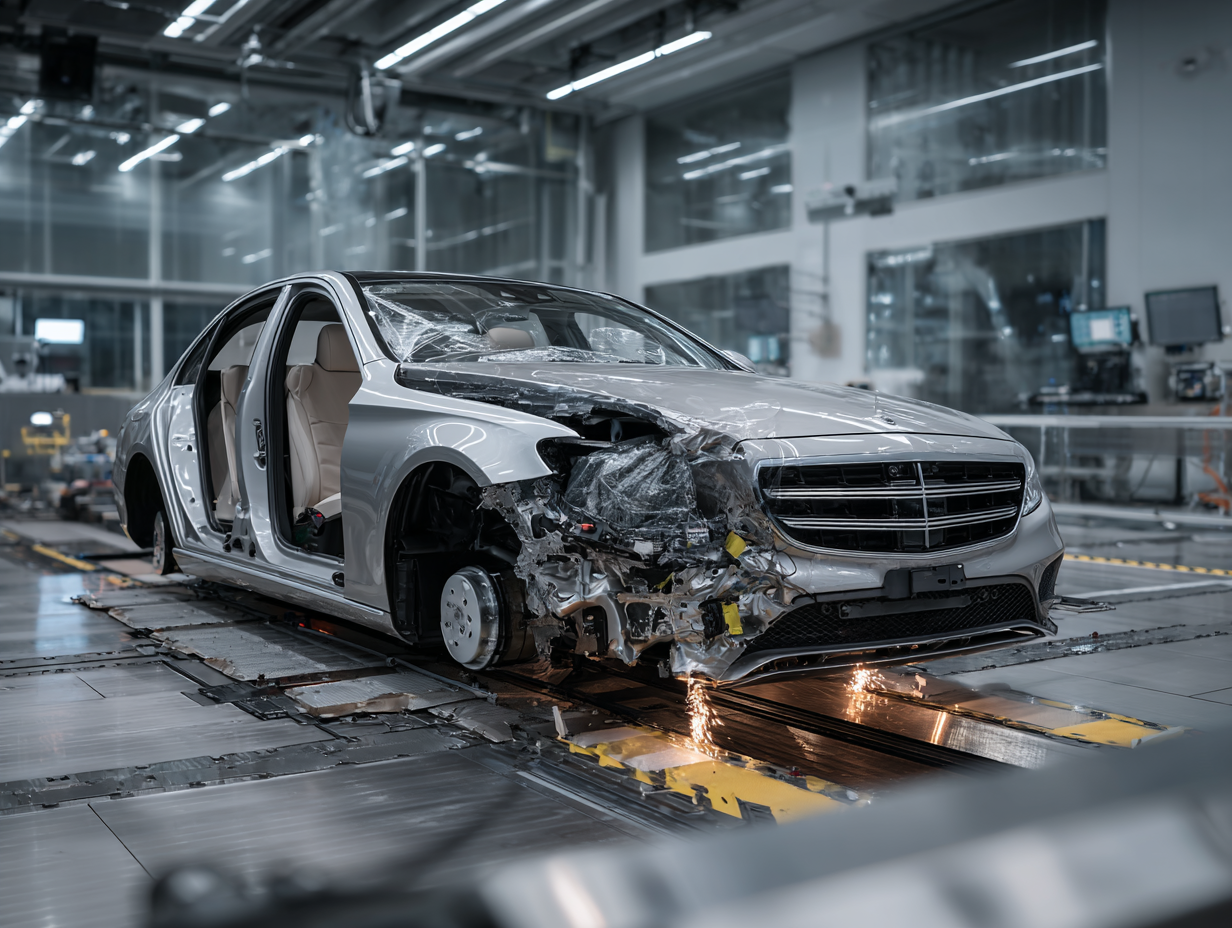
One of the earliest breakthroughs came in the 1950s with the creation of the crumple zone, a revolutionary idea at the time. Instead of making cars overly rigid, Mercedes engineers realized that allowing certain areas of the vehicle to deform on impact would absorb crash energy and protect passengers. Today, every modern car, from compact hatchbacks to heavy SUVs, uses this concept, and it all began with a bold shift in engineering philosophy.
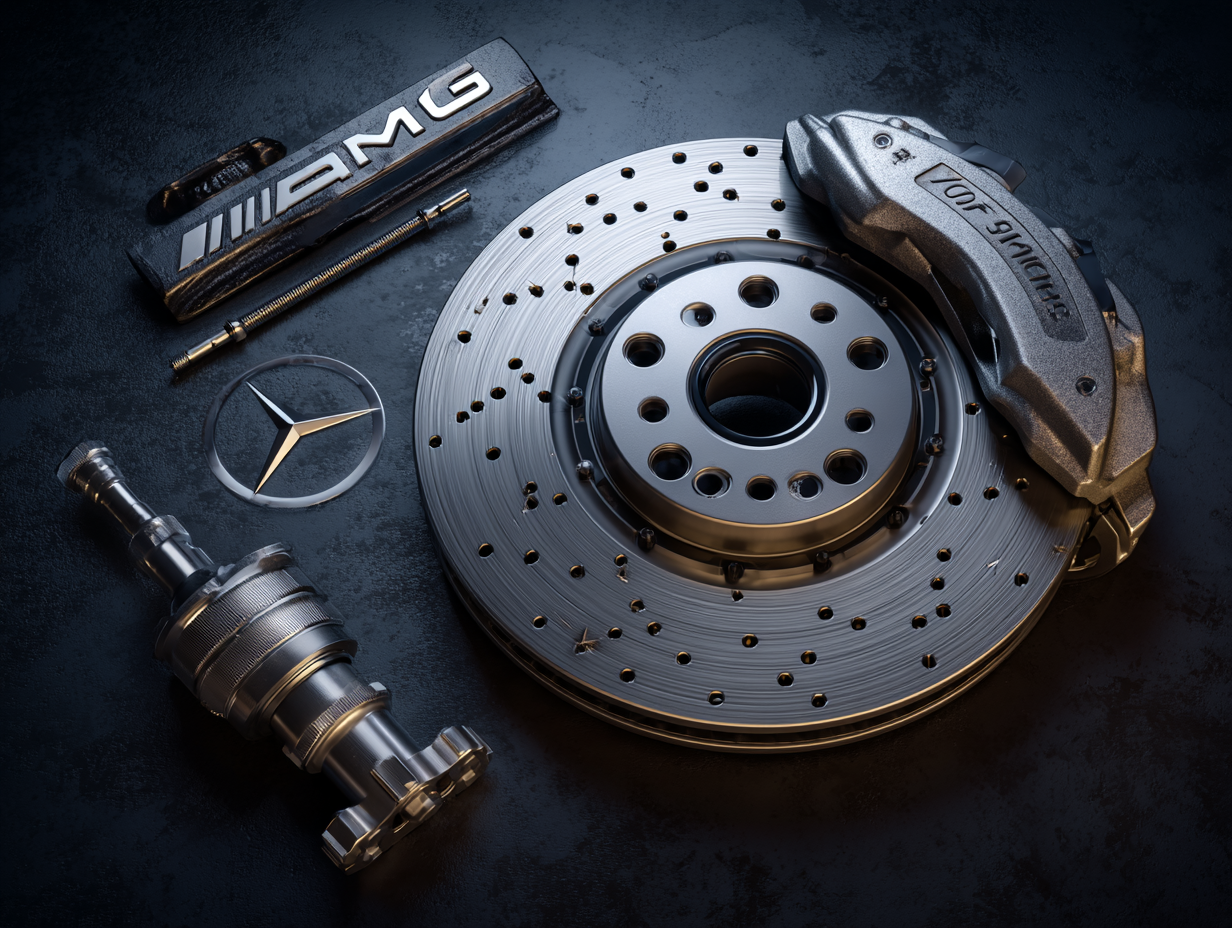
Another major milestone was the introduction of anti-lock braking systems (ABS). Before ABS, braking hard could cause wheels to lock, reducing steering control and increasing stopping distance. Mercedes played a crucial role in bringing ABS from the aviation world to road vehicles, refining it to react in milliseconds. This single innovation drastically reduced accidents in slippery or emergency situations and laid the foundation for even more advanced safety technologies.
Then came airbags, but not just the standard front bags we know today. Mercedes expanded the idea of occupant protection with side airbags, curtain airbags, and knee airbags, creating a cocoon of safety around drivers and passengers. Many of these systems were first seen in Mercedes flagships before becoming industry norms adopted by automakers worldwide.
In the early 2000s, Mercedes pushed safety into the realm of intelligence with PRE-SAFE, a system that anticipates accidents before they happen. If the car detects sudden braking, skidding, or sharp steering input, it automatically tightens seatbelts, adjusts headrests, closes windows, and prepares the cabin for maximum protection. This shift from reacting to proactively preparing changed how the automotive world approached safety engineering.
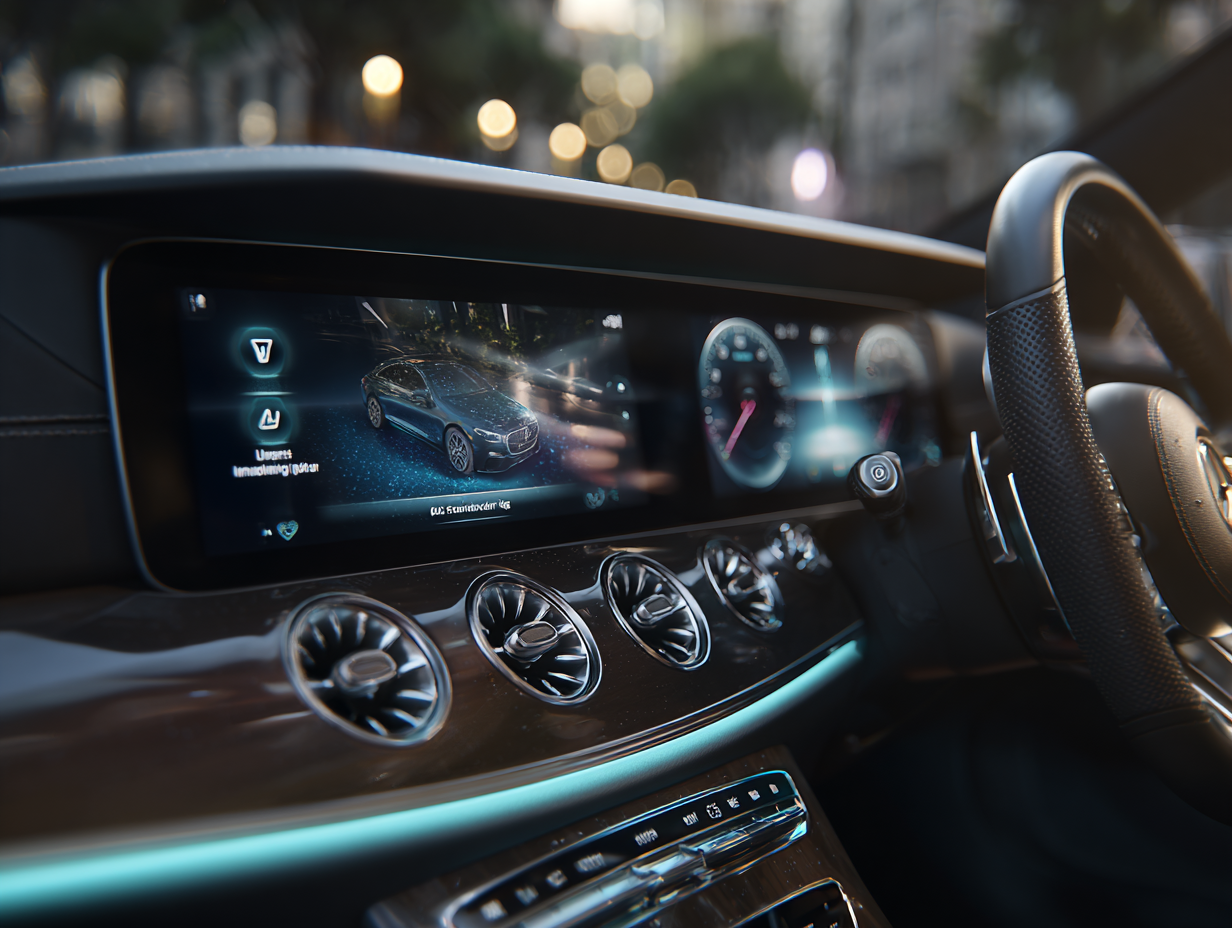
Today, Mercedes continues shaping the industry through ADAS (Advanced Driver Assistance Systems) such as lane-keeping assist, blind-spot monitoring, automatic emergency braking, and adaptive cruise control. But Mercedes doesn’t just adopt these technologies; it fine-tunes them to feel natural, precise, and predictable. The brand’s newer models even incorporate semi-autonomous driving functions, helping reduce human error, the world’s leading cause of road accidents.
Behind all of these innovations lies a simple philosophy: every life matters. Mercedes invests heavily in crash testing, real-world data, and long-term research. Their famous “accident research unit,” active since 1969, studies thousands of real accidents to improve future designs. This constant loop of innovation means every new Mercedes model brings another step forward for the entire automotive industry.
In many ways, the cars we drive today—regardless of brand—are safer because Mercedes insisted on pushing boundaries. And if you’re looking to upgrade, maintain, or understand the latest in Mercedes safety tech, the Lebanese Europe team is always ready to guide you with expert support and trusted service.
The rich text element allows you to create and format headings, paragraphs, blockquotes, images, and video all in one place instead of having to add and format them individually. Just double-click and easily create content.
A rich text element can be used with static or dynamic content. For static content, just drop it into any page and begin editing. For dynamic content, add a rich text field to any collection and then connect a rich text element to that field in the settings panel. Voila!