Few things feel more frustrating than pulling out of a gas station, pressing the accelerator, and suddenly feeling your car hesitate, sputter, or lose power. It’s a moment that makes every driver think something major has gone wrong. But in many cases, the reason is simpler—and dirtier—than you’d expect: contaminated fuel.
When fuel is clean, your engine burns it efficiently, giving you smooth acceleration and reliable performance. But introduce impurities—dust, rust, water, or residue—and your engine reacts instantly. Modern engines are especially sensitive. Fuel injectors have tiny openings designed for precise fuel spray. A single particle of dirt can block or disrupt that spray pattern, causing rough idling, misfires, or the feeling that your car is “choking” right after refueling.
One of the most common culprits behind dirty fuel is the fuel station itself. Underground tanks can accumulate sediment over time. If they're not maintained properly, that sediment mixes with the fuel you put in your car. Add to that the possibility of water entering the tanks from leaks or condensation, and suddenly you’re filling up with a cocktail your engine was never built to handle.
But the problem doesn’t stop there. Your car also has a fuel filter, which is supposed to catch these impurities before they reach the engine. When you unknowingly pump dirty fuel, the filter gets overwhelmed quickly. A clogged fuel filter restricts flow, making your car struggle for fuel the way a runner struggles for air. This is why symptoms often appear immediately after filling up—the buildup hits fast.
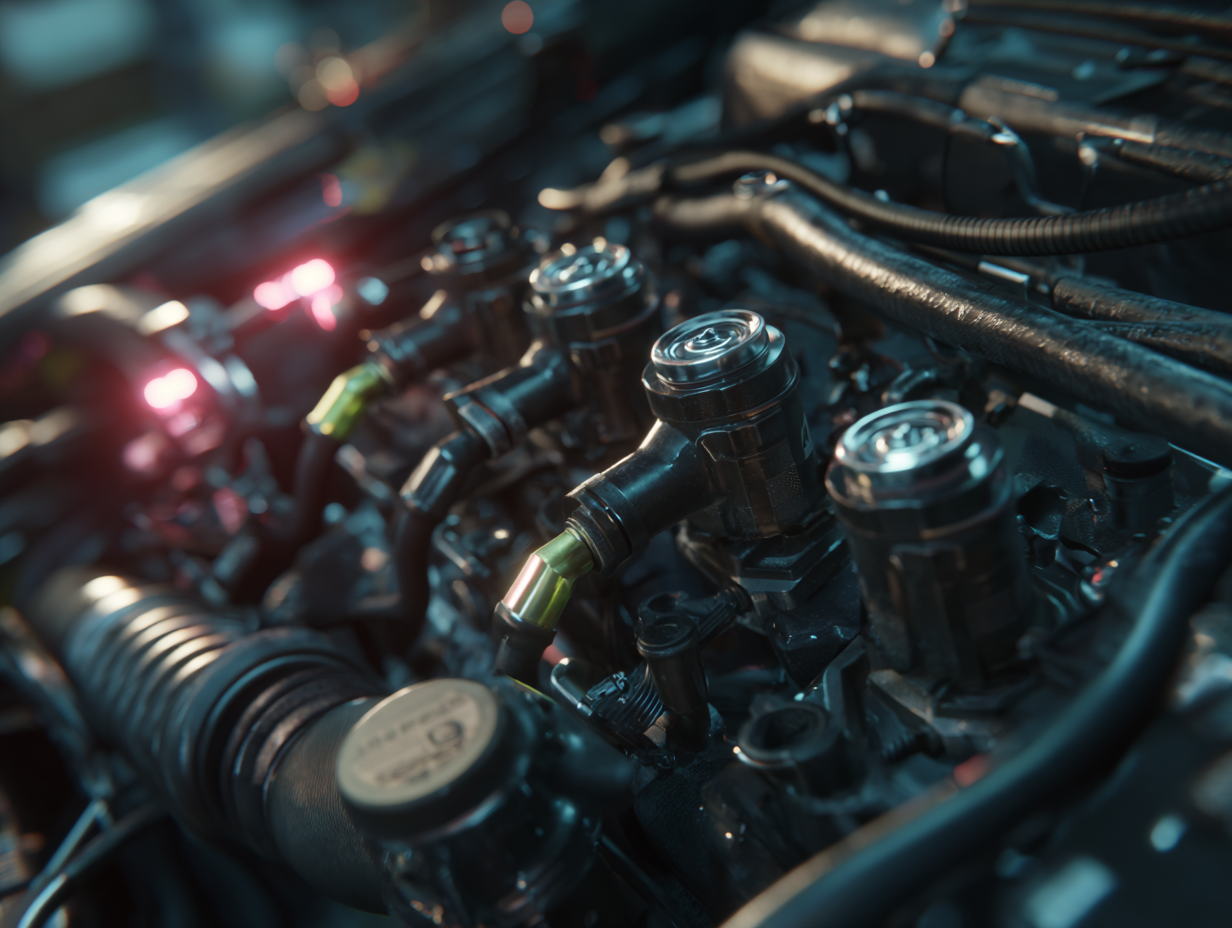
Dirty fuel can also trigger your check-engine light, reduce fuel economy, and in severe cases, damage sensitive components like fuel pumps and injectors. What starts as a slight hesitation can evolve into a costly repair if not addressed.
So, what can you do? First, pay attention to when the issue happens. If your car only acts up after refueling at a certain station, that’s a clear red flag. Second, don’t wait—have a technician inspect your fuel system. They’ll check the filter, drain the tank if needed, and run diagnostics to ensure no long-term damage has occurred. Third, stick to trusted stations with high fuel turnover, as this reduces the chances of sediment settling in underground tanks.
Prevention is always cheaper than repair. Regular maintenance, clean filters, and mindful fueling habits can save you from future headaches. And if your car recently choked after refueling, don’t ignore it. It’s your engine’s way of telling you something isn’t right.
At the end of the day, your vehicle’s performance depends on what you feed it—clean fuel keeps everything breathing smoothly, while dirty fuel suffocates it from the inside out. If you're dealing with symptoms or want to make sure your fuel system is safe, reach out to the Lebanese Europe team. We’re ready to help you get your car running like new again.
The rich text element allows you to create and format headings, paragraphs, blockquotes, images, and video all in one place instead of having to add and format them individually. Just double-click and easily create content.
A rich text element can be used with static or dynamic content. For static content, just drop it into any page and begin editing. For dynamic content, add a rich text field to any collection and then connect a rich text element to that field in the settings panel. Voila!